Since the start of russia’s full scale unprovoked invasion, the russian government has obsessively reiterated that they would never concede anything, from admittance to guilt to ceding territory. On state-run television and entertainment channels to official representatives, they have all said the same thing: russia will never back down from anything. But the question which arises after listening to this nauseating rhetoric, is if it is true or if it is just a negotiating tactic.
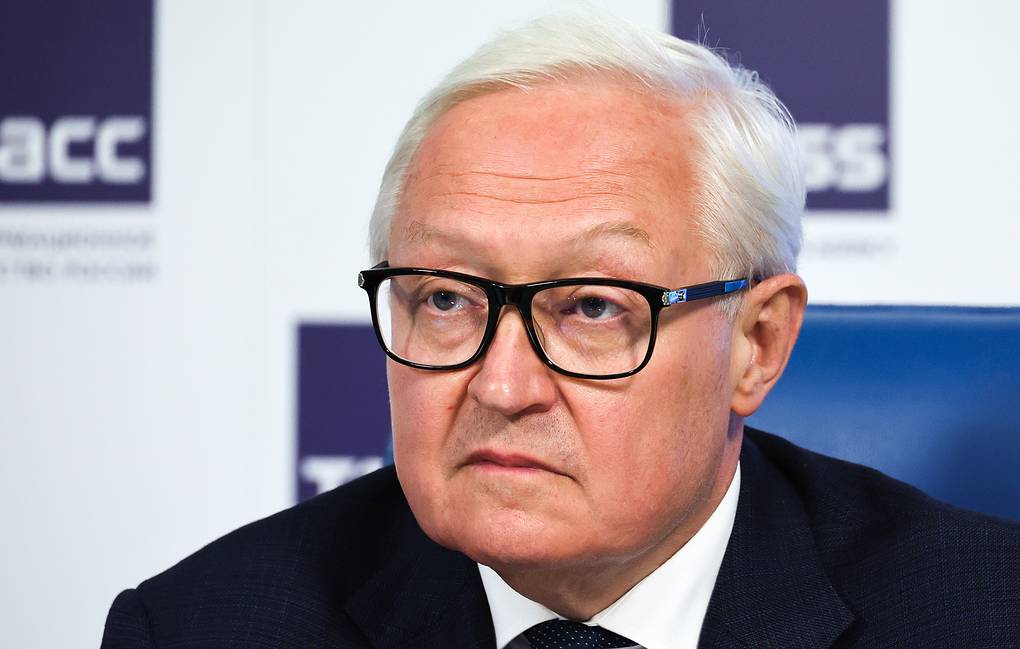
During the height of the Cuban missile crisis under the John F. Kennedy administration, the White House was seriously considering striking a deal with the Soviet Union whereby in exchange for the USSR removing their missiles from Cuba, which is only 90 miles away from the coast of Florida, the US would remove all of its nuclear capable missiles from Türkiye; the question, however, was how to go about this. They worried that if they had asked for this prior to the negotiations even starting, then the Soviet Union would take this as a sign of panic, and might demand more concessions from the United States. As a result, they used other means to bring the USSR to the negotiating table, and then, from that point, began discussing mutually removing their missiles. A detailed account of this high-intensity political crisis can be found in Max Hastings’ Abyss: The Cuban Missile Crisis 1962. Similar to this, the russian federation may be using repetitive rhetorical statements to convince foreign governments that they will not concede anything, in an attempt to obtain more from negotiations. This tactic is known as reserving concessions. Up to this point, it has seemed that this is what the russians were trying to do, however, this interview begins to shine new light on the disastrous policy decisions taking place in the Kremlin. Throughout most of CNN’s interview with russian foreign minister Sergei Ryabkov, the diplomat appeared well composed and eager to puppet Kremlin talking points, at times even refusing to give opinions of his own, simply repeating statements of Putin during speeches; likely scared that if he says something that does not align exactly with what Putin wants him to say, he will be fired, or worse, become a victim of russian death syndrome. In one peculiar part of the interview though, his charade begins to break down, and he noticeably breaks character.
At roughly half way through the interview, the discussion revolving russian relations to the incoming Trump administration come up, and the interviewer, Fred Pleitgen, asks what the minister thinks about the new US representative special envoy to Ukraine. This question is indirectly asking what the minister believes about the soon-to-be administration’s goals and whether or not they will achieve them through the means of negotiation. As a response, the minister visibly breaks character, and begins chuckling. After realizing this, he recomposes himself and states that russia is open to dialogue but will not agree to anything that goes against their national policy. This moment, along with others, clearly demonstrate that the russian government aims to continue its unprovoked war against Ukraine, and disregards all negotiations and peace deals that involve any compromise from the russian side. Such a deal would be highly beneficial for russia, whereby they would be able to retain its new illegally annexed territory, and play it off as a great win to both its own population and the world, but it does not just want eastern and southern Ukraine; it wants the whole thing. The sooner that the new incoming administration understands that no reasonable peace deal will take place any time soon, the better it will be both for European and North American security. The only way to end this war is for the Western world to continue arming more of Ukraine’s brigades, and allow for an eventual large scale operation which involves both taking back substantial amounts of occupied territory and enabling larger incursions into russian territory.
https://www.history.com/topics/cold-war/cuban-missile-crisis
 MIDON INTEL